
What is Digital Marketing? A Complete Guide for Beginners (2025 Edition)
In the ever-evolving world of business, the internet has become the most powerful tool for connecting people and brands. Gone are the days when newspaper ads or television commercials alone could capture customer attention. Today, people spend most of their time online — browsing social media, reading blogs, streaming videos, or shopping on eCommerce sites.
This shift has changed everything about how companies market their products and services. It has given rise to Digital Marketing, a measurable, data-driven approach that uses online channels to reach, engage, and convert audiences.
So, what is Digital Marketing exactly, and why is it so essential in 2025? Let’s dive into this complete guide for beginners.
1. Definition of Digital Marketing
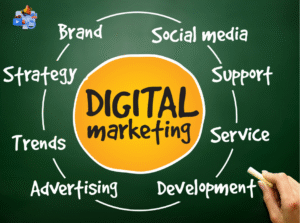
What is Digital Marketing? In simple terms, it’s the process of promoting products or services using digital platforms such as search engines, websites, social media, email, and mobile apps. Any marketing activity that involves the internet or electronic devices falls under digital marketing.
Unlike traditional marketing — which relies on billboards, print ads, and television — digital marketing is measurable and interactive. It enables businesses to target specific audiences, gather data, and optimize strategies for better results.
Digital marketing brings together creativity, strategy, and analytics to build awareness, generate leads, and increase sales. Whether it’s a small local business or a global enterprise, everyone can use it to grow online.
In short, what is digital marketing if not the smartest way to connect with the right audience at the right time through the right channels?
2. Why Digital Marketing Matters in 2025
As we move deeper into the digital age, the importance of online marketing continues to rise. In 2025, having a strong digital presence is not a luxury — it’s a necessity for survival.
Here’s why digital marketing matters more than ever:
a. Massive Online Audience
There are over 5 billion internet users globally. That means every potential customer you want to reach is online — searching, browsing, and buying. Digital marketing lets you appear right where they are.
b. Cost-Effective and Measurable
Unlike traditional marketing, you can start digital campaigns on any budget and track results in real-time. You’ll know exactly how much you’re spending and what return you’re getting.
c. Advanced Targeting
Platforms like Google Ads or Meta Ads allow you to reach specific groups based on location, interests, behavior, or age. This level of targeting ensures your efforts never go to waste.
d. Builds Credibility
Having a professional website, social profiles, and consistent content builds trust with potential customers. A strong online presence equals brand authority.
e. Global Reach
Even small-town businesses can attract global customers using smart digital strategies — proving that what is digital marketing truly levels the playing field.
f. Instant Engagement
Customers can comment, share, or message brands directly — creating meaningful two-way communication.
In today’s world, where people live on their phones and social feeds, understanding what is digital marketing is no longer optional — it’s the foundation of modern business success.
3. Key Components of Digital Marketing
Digital marketing is not one thing — it’s a combination of multiple strategies that work together to attract, engage, and convert customers.
Here are the core pillars of digital marketing:
1. Search Engine Optimization (SEO)
SEO is the practice of optimizing your website to appear higher in search engine results. The goal is to attract organic (free) traffic instead of paying for ads.
Main aspects of SEO:
-
Keyword Research: Finding what terms your audience searches for.
-
On-Page SEO: Optimizing meta tags, headlines, and page content.
-
Off-Page SEO: Building backlinks and improving site authority.
-
Technical SEO: Enhancing site speed, mobile usability, and security.
For example, if you run a bakery in Kerala, optimizing for “best bakery in Kerala” can help your store appear on Google Maps and attract nearby customers. A strong SEO strategy helps your site appear when someone searches for products or services you offer — making it one of the most important parts of what is digital marketing.
2. Social Media Marketing (SMM)
Social media has transformed how brands interact with people. Platforms like Instagram, Facebook, YouTube, LinkedIn, and X (Twitter) allow you to reach millions daily.
Benefits of social media marketing include:
-
Boosting brand awareness
-
Driving traffic to your website
-
Building a loyal community
-
Offering customer support directly
Consistency and creativity are key. By combining engaging visuals, videos, and storytelling, you can turn followers into loyal customers. For instance, brands like Zomato and Swiggy in India use witty, relatable posts that go viral — a perfect example of what is digital marketing done right.
3. Content Marketing
If you’ve ever heard the phrase “content is king,” it’s absolutely true. What is digital marketing without valuable content? Nothing.
Content marketing is about creating blogs, videos, infographics, and podcasts that educate or entertain your audience. Instead of directly selling, you build trust by providing value.
Examples include:
-
Blog posts explaining industry topics
-
Tutorials or how-to videos
-
E-books and guides
-
Case studies showing results
High-quality content not only attracts readers but also helps SEO and social media campaigns perform better. This synergy is at the heart of what is digital marketing expecting a sale.
4. Email Marketing
Despite the rise of social platforms, email marketing remains one of the most powerful tools in digital marketing. It allows direct communication with your audience through personalized messages.
Common types of email campaigns:
-
Welcome messages
-
Product announcements
-
Promotions and offers
-
Newsletters with educational content
A well-crafted email campaign can achieve a conversion rate higher than most other channels — making it an essential component of a complete digital marketing strategy.
5. Pay-Per-Click Advertising (PPC)
PPC allows advertisers to pay only when users click their ads. It’s an excellent way to drive instant traffic and leads.
Popular platforms:
-
Google Ads
-
Facebook and Instagram Ads
-
LinkedIn Ads
-
YouTube Ads
For example, an eCommerce brand can run a “limited-time offer” campaign on Meta Ads to drive quick sales. The benefit of PPC is speed — results appear almost immediately. It’s ideal for businesses looking to promote new products or boost seasonal campaigns.
6. Affiliate and Influencer Marketing
Affiliate marketing involves working with individuals who promote your product for a commission. Influencer marketing, on the other hand, leverages trusted social media personalities to endorse your brand.
These methods combine authenticity with reach — helping your brand tap into existing communities and build credibility fast.
7. Web Analytics
Data is the backbone of digital marketing. Tools like Google Analytics, Hotjar, and Meta Insights help track user behavior, campaign performance, and conversions.
Analyzing data allows marketers to make informed decisions, improve strategies, and understand what truly resonates with their audience.
Without analytics, what is digital marketing but just guesswork?
4. Advantages of Digital Marketing
Here are some of the biggest advantages of using digital marketing for your business:
-
Measurable Performance: You can see exactly what’s working and what’s not.
-
Better Targeting: Reach your ideal customers precisely.
-
Personalized Marketing: Customize ads and messages for different audiences.
-
Increased Engagement: Interact with customers in real time.
-
Scalable Strategies: Start small and grow as your business expands.
-
Strong ROI: Get more value for every rupee spent compared to traditional ads.
-
24/7 Visibility: Your brand never sleeps — it’s online all the time.
Simply put, what is digital marketing if not the smartest way to grow in today’s economy?
5. Challenges in Digital Marketing
While digital marketing is powerful, it also has challenges that marketers must overcome:
-
Constant algorithm updates by Google and social networks
-
Rising ad costs and market competition
-
Maintaining consistent quality content
-
Managing multiple channels simultaneously
-
Data protection and user privacy laws
To succeed, brands must stay agile, ethical, and data-driven.
6. How to Get Started with Digital Marketing
If you’re new to this field, you might ask — what is digital marketing and how can I start learning it? Here’s a step-by-step approach to begin your journey:
a. Learn the Fundamentals
Understand the core concepts — SEO, PPC, social media, content, and analytics. Free courses from Google Digital Garage, Coursera, or HubSpot are great for beginners.
b. Build Your Online Presence
Create your own website or blog to apply what you’ve learned. Use it as a portfolio to showcase your skills.
c. Choose a Niche
Pick one area you’re passionate about — such as SEO, content marketing, or social media — and specialize.
d. Experiment and Analyze
Try running small campaigns or creating content for local businesses. Analyze results and improve your techniques.
e. Use the Right Tools
Master tools like Canva (for design), Google Analytics (for tracking), Mailchimp (for emails), and SEMrush (for SEO).
f. Stay Updated
Digital marketing trends change rapidly. Follow blogs like Neil Patel, Moz, and HubSpot to keep your knowledge fresh.
g. Get Certified
Certifications from Google or Facebook Blueprint can help you stand out in the job market.
h. Network and Collaborate
Join LinkedIn groups, attend webinars, and connect with other marketers to learn and grow faster.
i. Keep Practicing
The more you practice, the better you become. Real results come from experimentation and adaptation.
Learning what is digital marketing isn’t about memorizing — it’s about applying and evolving continuously.
7. The Future of Digital Marketing
As technology continues to evolve, the future of digital marketing looks even more exciting. Here are some upcoming trends to watch:
-
Artificial Intelligence (AI): Personalizes ads and predicts consumer behavior.
-
Voice Search Optimization: With Alexa and Google Assistant, voice queries are growing.
-
Augmented Reality (AR): Brands use AR experiences to engage users.
-
Video Marketing: Short-form content like Reels and Shorts dominates.
-
Automation: Smart tools are making campaigns more efficient and cost-effective.
-
Privacy-Focused Marketing: Ethical data use builds long-term trust.
In the coming years, virtual reality experiences and hyper-personalized AI assistants will reshape what is digital marketing once again, offering marketers more precise ways to connect emotionally with consumers.
What is Digital Marketing? A Beginner’s Overview
What is Digital Marketing? It is the practice of promoting products or services through online channels like search engines, social media, websites, email, and mobile apps. Unlike traditional marketing methods such as billboards or TV ads, digital marketing is measurable, interactive, and allows businesses to target specific audiences with precision.
In simple terms, what is digital marketing if not the most powerful way to reach people where they already spend their time — online? It combines creativity, technology, and strategy to help brands grow in a fast-paced digital world.
Why Digital Marketing Matters
With over 5 billion internet users worldwide, what is digital marketing doing today is transforming how businesses connect with customers. It offers several key advantages: it’s cost-effective, allowing you to start campaigns on any budget; it provides real-time tracking of results; and it enables advanced targeting based on location, interests, and behavior.
Most importantly, what is digital marketing doing differently is leveling the playing field—even small businesses can reach global audiences using smart strategies.
In today’s mobile-first world, customers expect brands to have a strong online presence. A professional website and active social media profiles build credibility and trust. What is digital marketing if not the bridge that connects a brand’s value to the right audience?
Digital marketing also enables instant two-way communication—customers can comment, share, or message brands directly, creating meaningful engagement that traditional marketing simply cannot match.
Core Components
What is digital marketing without its core components? It’s a combination of several interconnected strategies working together for growth:
1. Search Engine Optimization (SEO)
SEO helps your website rank higher in search results, attracting organic traffic. For example, a local bakery optimizing for “best bakery in Kerala” can appear on Google Maps and attract nearby customers.
This is a great example of what is digital marketing in action—using data and keywords to drive visibility and traffic.
2. Social Media Marketing (SMM)
Social Media Marketing leverages platforms like Instagram, Facebook, YouTube, and LinkedIn to build brand awareness and community. Brands like Zomato use witty, relatable content that goes viral, demonstrating the power of creative social engagement.
What is digital marketing here? It’s using conversations, trends, and storytelling to make your brand memorable.
3. Content Marketing
Content Marketing creates valuable blogs, videos, and guides that educate your audience rather than directly selling. High-quality content not only attracts readers but also enhances SEO performance and social media campaigns—a perfect synergy that drives sustainable growth.
If you ever wondered what is digital marketing made of at its core — content is the heart that fuels it all.
4. Email Marketing
Email Marketing enables personalized communication with customers through welcome messages, promotions, and newsletters. Despite newer platforms emerging, email remains one of the highest-converting channels available.
This is another example of what is digital marketing doing effectively — nurturing leads and maintaining customer relationships.
5. Pay-Per-Click (PPC) Advertising
PPC delivers instant traffic through platforms like Google Ads and Facebook Ads. Advertisers only pay when users click, making it ideal for promoting new products or seasonal campaigns with immediate results.
PPC is often the fastest way to see what is digital marketing capable of when executed strategically.
Key Advantages
The advantages of what is digital marketing go far beyond visibility. It offers measurable performance — you can see exactly what works and what doesn’t. It provides better ROI compared to traditional advertising, increased customer engagement, scalable strategies that grow with your business, and 24/7 brand visibility since your online presence never sleeps.
Another major benefit of what is digital marketing is its ability to personalize — every ad, email, or blog can be tailored to your audience’s interests, ensuring higher conversion rates.
Getting Started
So, what is digital marketing for a beginner who wants to learn and grow? It’s both an art and a science.
To begin your journey, start by learning fundamentals through free courses from Google Digital Garage or HubSpot. Build your own website to practice skills, choose a specialization that interests you, and experiment with small campaigns. Master essential tools like Google Analytics for tracking, Canva for design, and SEMrush for SEO.
Stay updated on industry trends, get certified, network with other marketers, and most importantly—keep practicing.
Understanding what is digital marketing is not about memorizing theories; it’s about applying strategies, analyzing data, and improving results continuously.
In 2025 and Beyond
In 2025, what is digital marketing evolving into is a smarter, more personalized ecosystem. Artificial Intelligence, automation, and analytics are shaping how businesses communicate with their audiences. From voice search to video storytelling, every innovation makes marketing more engaging and measurable.
Businesses that invest in understanding what is digital marketing today will have a strong competitive edge tomorrow.
Conclusion
So, after exploring its strategies, tools, and impact — what is digital marketing truly about? It’s about building relationships, delivering value, and creating lasting brand impressions through digital experiences.
In 2025, digital marketing isn’t just about selling online — it’s about connecting authentically, engaging creatively, and growing strategically. For businesses, it means visibility and profit. For professionals, it means limitless career opportunities.
Now that you clearly understand what is digital marketing, you’re ready to take your first step into this exciting world — where creativity meets data, and innovation drives success.